


Benefits of RockTape for Injuries: RockTape for Shin Splint Recovery
Shin splints can be a real pain, literally. Whether you’re an athlete, a weekend warrior, or just someone who enjoys staying active, shin splints can slow you down. I’ve found that using RockTape can be a game-changer in managing and recovering from this common injury. In this post, I’ll share what I’ve learned about how RockTape supports healing, reduces pain, and helps you get back on your feet faster.
Understanding Shin Splints and Why They Hurt
Shin splints, or medial tibial stress syndrome, happen when the muscles, tendons, and bone tissue around your shin become inflamed. This usually results from repetitive stress, like running or jumping on hard surfaces. The pain can range from mild discomfort to sharp, persistent aches that make movement difficult.
The key to recovery is reducing inflammation and supporting the muscles so they don’t overwork. That’s where RockTape comes in. It’s not just tape; it’s a tool that can help your body heal naturally by improving circulation and providing gentle support.

Benefits of RockTape for Injuries
RockTape is designed to mimic the elasticity of your skin, which means it moves with you instead of restricting movement. This is important because it allows you to stay active while supporting the injured area. Here are some benefits I’ve noticed and researched:
Pain Relief: RockTape lifts the skin slightly, which can reduce pressure on pain receptors. This helps decrease the sensation of pain.
Improved Circulation: By lifting the skin, RockTape creates space for better blood flow and lymphatic drainage. This helps reduce swelling and speeds up healing.
Muscle Support: It provides gentle support to muscles and tendons, helping to prevent overuse and further injury.
Enhanced Proprioception: Wearing RockTape can improve your body’s awareness of the injured area, encouraging better movement patterns and reducing the risk of re-injury.
Versatility: It can be applied in different ways depending on your specific needs, whether you want to reduce pain, support muscles, or improve circulation.
These benefits make RockTape a valuable part of a holistic approach to injury recovery, especially for shin splints.
Does taping your legs help with shin splints?
Many people wonder if taping the legs actually helps with shin splints. From my experience and what experts say, the answer is yes, but with some important details.
Taping your legs with RockTape can provide immediate pain relief and support. It helps by stabilizing the muscles and reducing the strain on your shins during activity. This means you can keep moving without making the injury worse.
However, taping is not a cure on its own. It works best when combined with other recovery strategies like rest, stretching, strengthening exercises, and proper footwear. Also, the way you apply the tape matters. Incorrect taping might not provide the benefits or could even cause discomfort.
If you’re new to taping, it’s a good idea to get guidance from a professional who can show you the right technique tailored to your needs.
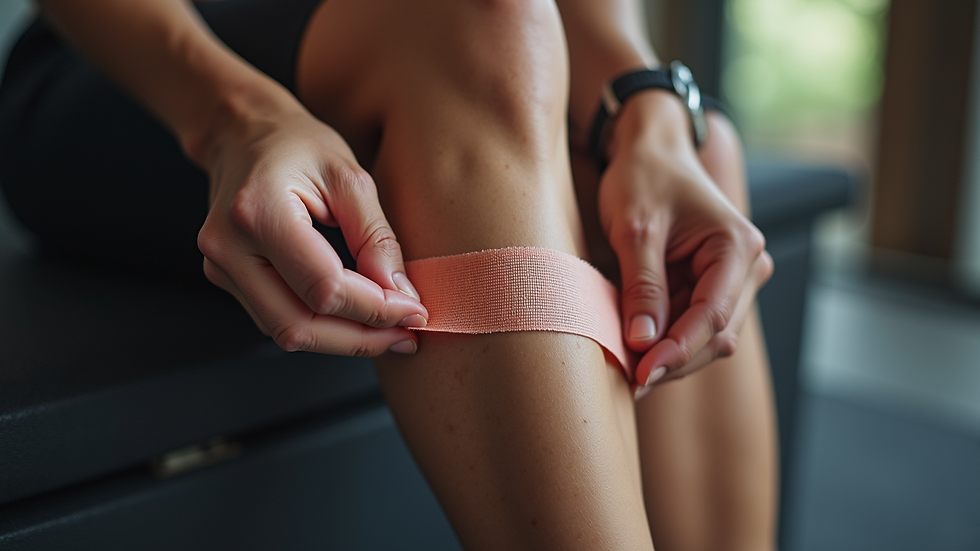
How to Use RockTape for Shin Splint Recovery
Using RockTape effectively requires a bit of know-how. Here’s a simple guide to get you started:
Clean and dry your skin: Make sure the area is free of oils and sweat for better adhesion.
Cut the tape: Depending on your shin size, cut two strips about 10-12 inches long.
Round the edges: This helps prevent the tape from peeling off too soon.
Apply the anchor: Place the first part of the tape without stretch just below the knee.
Stretch and apply: Gently stretch the tape (about 25-50%) and lay it along the shin bone, following the muscle line.
Rub the tape: This activates the adhesive and helps it stick better.
Add a second strip: Apply another strip parallel to the first for extra support if needed.
Remember, the tape should feel supportive but not tight or uncomfortable. If you experience numbness or increased pain, remove the tape immediately.
Additional Tips for Managing Shin Splints
While RockTape is a helpful tool, it’s important to take a comprehensive approach to recovery. Here are some tips that have worked well for me and many others:
Rest and modify activity: Give your shins time to heal by reducing high-impact activities.
Ice the area: Apply ice packs for 15-20 minutes several times a day to reduce inflammation.
Stretch and strengthen: Focus on calf stretches and strengthening exercises for your lower legs.
Wear proper shoes: Supportive footwear with good cushioning can make a big difference.
Gradual return to activity: Increase your exercise intensity slowly to avoid re-injury.
Using RockTape alongside these strategies can help you recover more comfortably and confidently.
Embracing a Holistic Path to Healing
Recovering from shin splints is about more than just treating the pain. It’s about listening to your body and supporting it in every way possible. RockTape is a fantastic tool that fits perfectly into a holistic health plan. It encourages movement, reduces discomfort, and helps your body heal naturally.
If you want to explore how rocktape for shin splints can support your recovery, consider reaching out to professionals who specialize in integrated care. They can guide you on the best taping techniques and combine them with personalized treatments to help you regain your vitality.
Remember, healing is a journey. With the right tools and mindset, you can overcome shin splints and get back to doing what you love.
I hope this post helps you understand the benefits of RockTape and how it can be a valuable part of your shin splint recovery. Take care of your body, and don’t hesitate to seek support when you need it. Your path to lasting vitality starts with small, consistent steps.



Comments